






background

Chicken Road Game Casino In France

In France, Chicken Road is played online: access, stakes, payments and limits for a clear and controlled experience in 2026.

Chicken Road
Chicken Road

Discover Chicken Road In France In 2026

Chicken Road attracts with its apparent simplicity: you quickly understand the principle, but you can also get trapped quickly if you play 'by feel'. Imagine you start a session during a break, convinced you'll stop after ten minutes. Two small variations in results later, you extend 'just a little', then you lose track of time. That's exactly why you need to approach this type of game as a structured activity, not as an improvisation.

The good thing is that you can maintain control with very concrete actions. Set a session budget, decide on a maximum time, and define an exit rule even before clicking 'play'. These are actions, not slogans. And they work better than any promise made in the heat of the moment.

In this context, access from France must comply with applicable rules, with use reserved for adults. No need to assert anything about legal aspects that are impossible to verify. The essential thing, from the player's perspective, is clarity: how to register, how to deposit, how to withdraw, how to limit spending, and how to get an answer when something goes wrong.

All promotional incentive structure is clearly stated in writing and/or via electronic means in an easily understood manner. All codes are accompanied by an explanation of what the code is for, who is eligible to use the code, and how it should be used. As such, players are less likely to be confused about what is required of them in order to receive a reward and how the reward will be applied after receiving it. The promotional incentives provided to participants provide them with time to become familiar with the gaming system's mechanics, their interface, and progress, before deciding how deeply they wish to become involved with this platform. Therefore, players are encouraged to participate in an informed manner, rather than being pressured or tempted to act quickly.

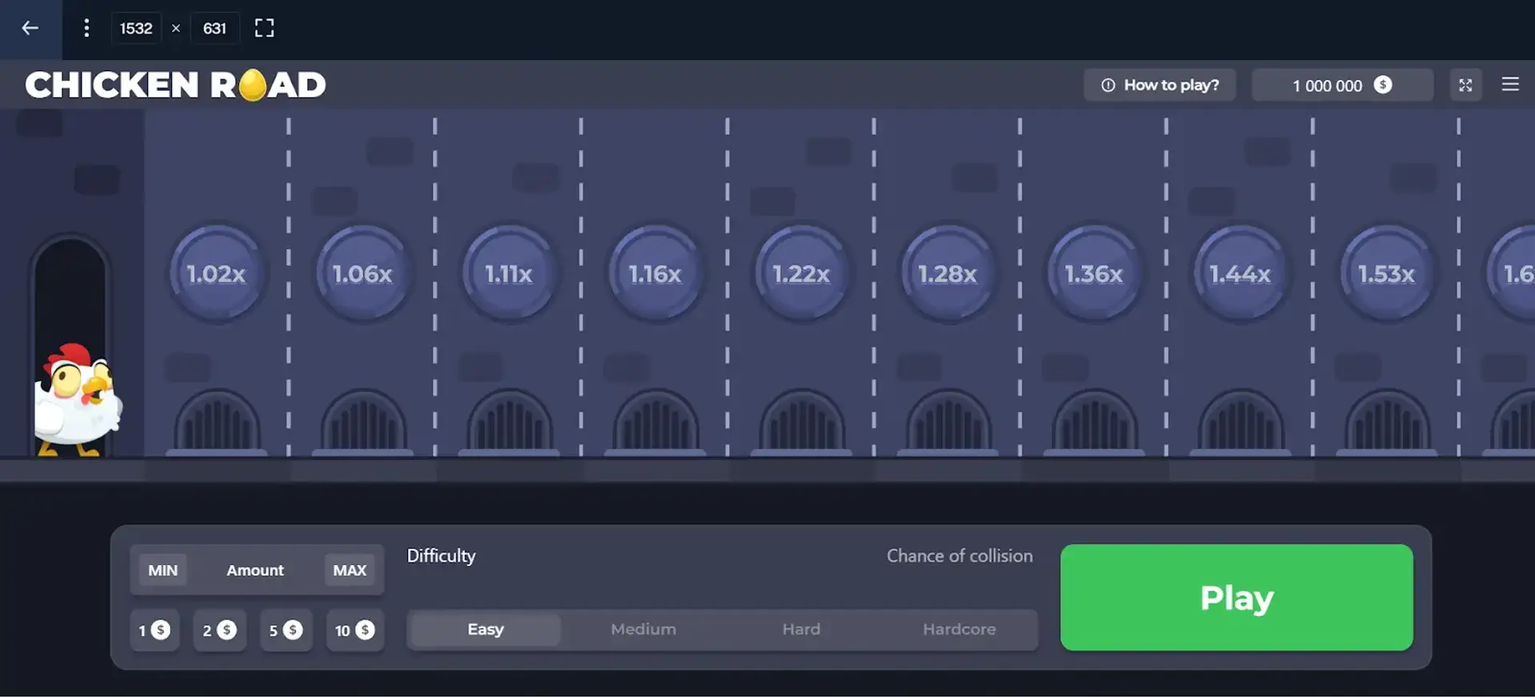
game image 1
Chicken Road

Top casinos for playing Chicken Road — current list

ALF Casino
ALF Casino
Mafia Casino
Mafia Casino
LeoVegas
LeoVegas
Chicken Road Betway
SG Casino
Chicken Road Betano
Retro Bet
Chicken Road

Understanding The Chicken Road Gambling Game In 2026

The 'gambling' concept doesn't just mean 'stakes and chance'. It primarily means 'concentrated risk'. Imagine you arrive relaxed, you bet an amount you consider reasonable, then the sequence makes you want to speed up. In these games, rhythm matters as much as the stake, because it influences your decisions more than you think.

To stay clear-headed, think in scenarios. Scenario A: you play for entertainment, you accept the outcome of the moment, and you close the app when the timer rings. Scenario B: you play to 'catch up', you change your bet with every emotion, and your session turns into a chase. The game itself doesn't change. What changes is your management.

In 2026, the best approach is to install simple safeguards: a comfortable stake (that doesn't put pressure on you with every round), imposed breaks, and a spending cap. If you have to 'resist' to respect your limit, it means the limit is too high or too vague. Reduce it and you will gain serenity.

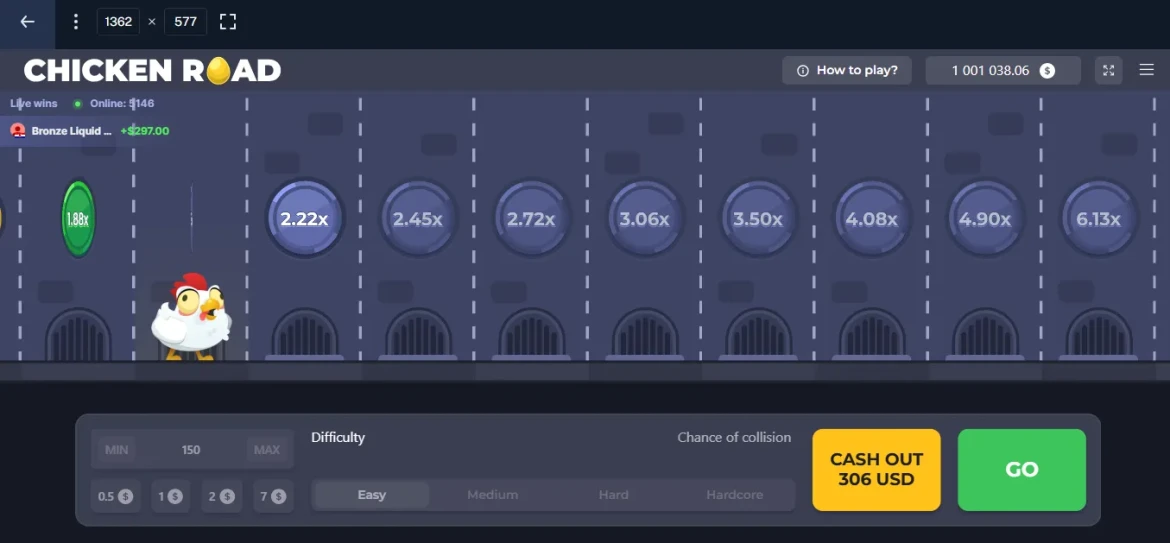
game image 2
Chicken Road

Managing The Chicken Road Game Gambling Daily

Before talking about technique, let's talk about habits. Imagine you're playing on mobile, in the evening, with the TV on in the background. You're already tired, so more impulsive. In this context, a single setting can change the evening: a firm time limit, set before the first round, and a break in the middle to check your state (not just your balance).

A clean session always starts with an intention. 'I'll test for ten minutes.' 'I'll do a short session and then close.' 'I'm just coming to check my history.' As soon as the intention is written in your head, you reduce the decisions you need to make during the game. Fewer decisions = fewer mistakes.

Then comes the mechanics of betting. Many players make the same mistake: they increase after a negative streak, because their brain wants to 'correct'. This is human, but rarely effective. If you feel this reflex coming on, you have a stop signal, not a strategy. Take a break, or go back to a lower bet, or close.

Finally, pay attention to the tempo. In a fast-paced game, the real risk is to chain actions without thinking. A break every few minutes, even a short one, breaks the automatism. And if you come back from a break wanting to "force it," don't come back: it's a clear indicator that the session should stop.

Rhythm, Stakes, and Stress: Staying in Control

Imagine you're slightly losing, and you catch yourself clicking faster. You're not "optimizing"; you're reacting. In that moment, the best move is to slow down: lower the pace, put down the phone, check your time limit, then decide.

A simple rule works well: the stake doesn't change under emotion. If you want to adjust, you do it only after a break, never in the middle of a sequence. This avoids spirals where the stake becomes a steering wheel you turn with every sensation.

Knowing When to Stop Before Forcing It

Imagine you tell yourself, "I'll stop as soon as I'm back to even." The problem is that "even" moves in your head. A minute later, you want "a little more." That's when the session overflows.

Replace the emotional goal with a mechanical goal: "I'll stop at this time" or "I'll stop after this budget." It's clear. And if you reach your threshold, you close it, no negotiation. A clean exit is a skill, not a coincidence.

Checklist Before a Short Session

Decide on the session's budget, then a maximum time (external timer if possible). Choose a comfortable stake, prepare a break in the middle, and set a single exit rule: when the timer rings, you close.

Warning Signs That Should Trigger a Break

Clicking faster, wanting to "redo" immediately, increasing the stake to recover, or feeling physical tension (clenched jaw, tense shoulders). If any of these signs appear, take a screen-free break, then make a decision calmly.

Chicken Road

Payments and Withdrawals: Simple and Calm Method

Financial operations are often the most stressful part, not because they are complicated, but because they are done at the wrong time. Imagine you finish a session in a good mood, then try to make a withdrawal immediately, impatiently. If a check appears, you get annoyed, and annoyance sometimes pushes you to replay "while waiting." Bad idea.

The healthy principle is to separate play and administration. You play in one block, you manage operations in another block, with a calmer mind. This reduces input errors and avoids the mix of "emotion + money," which makes decisions less rational.

Start with a minimal test. A modest first deposit to verify that you understand the flow, that the history clearly shows the operation, and that you know how to find the information. Only then do you build a routine: a main payment method, limits, and a status check rhythm (not every minute).

And keep one rule: no important operations under stress. If you are frustrated or excited, wait. Classic errors come from haste: an inconsistent detail, an impulsive change of method, or a request made in the middle of a session.

Choosing a Payment Method Without Trapping Yourself

Imagine you change options every time "because this one seems simpler." In reality, you're adding complexity. Consistency helps: a main method, used regularly, with clear confirmations and useful notifications.

If you want more control, opt for an option that forces you to confirm and sends you alerts. This small "brake" is valuable when you're tired. And if you try a new option, do it with a reduced amount, just to learn the ropes.

Tracking a Withdrawal Without Panic

Imagine you see a status that isn't changing and you keep refreshing the screen. You're not saving time; you're gaining anxiety. Set specific times to check: once, then move on to something else.

If you need to contact support, prepare a clear message: date, amount, visible status, and what you expected. A structured message moves things faster than a vague complaint. And most importantly, avoid sending ten reminders: a clear request, then wait for the next step.

Subject

What You Check

Recommended Action

Why It Matters

First deposit

Confirmation + display in history

Test with a small amount

Validate the flow without pressure

Main method

Consistency with your information

Keep a stable option

Reduce friction

Operation status

Visible steps and messages

Check at fixed times

Limit anxiety

Spending limits

Cap per session and per period

Activate before playing

Protect the budget

Support

Case details

Send a structured message

Get an actionable response

game image 3

Chicken Road Casino Bonus Codes Activation Process

Chicken Road Casino Bonus Codes Conditions

Choose A Mode On Chicken Road Casino Game

The word “casino” evokes a broader experience than simply clicking. It evokes a setting: account management, payments, support, and control tools. Imagine you’re looking for a quick mobile session, then you get lost in menus without finding your limits. This is not a detail: it’s an impulsivity trigger.

To choose your game mode well, start with your context. Mobile or computer? Short or longer session? Alone or with distractions around? The more chaotic your environment, the simpler format you should choose. And the more you need to lock in your limits.

Another point: the “mode” is not just technical, it’s mental. If you feel like you’re playing to change your mood, you’re not in a good window. In this case, the best option is not another mode, it’s a break.

Mobile Or Computer: The Difference That Matters

Imagine that on your phone you play faster and have more difficulty stopping. In this case, keep your mobile for checking history and use the computer for planned sessions. Conversely, if you are more composed on mobile, use it, but impose an external timer.

This choice is not “theoretical”. It changes your rhythm, therefore your budget, therefore your experience. Take it seriously and test what makes you most stable.

Offers And Bonuses: Read Before Activating

Imagine an offer appears and makes you feel like you have to act right away. That's exactly when you need to slow down. A useful offer is one that doesn't break your plan, not one that forces you to spend more or play longer.

The healthy approach: read the conditions outside of the session, then decide if it fits your budget and your time. If it pushes you to “hold on longer”, it’s not made for your short session.

Support And Small Problems: Resolve Without Getting Annoyed

Imagine the app freezes, you can no longer see a screen, and you feel compelled to continue no matter what. No. Close, breathe, then approach the problem as a diagnosis: connection, update, restart, and only then support.

When you write to support, be precise. Say what you were doing, what you see, and when. A clear message reduces back-and-forth and protects your calm.

Security, Limits And Responsible Gaming In France

The best security is not a word, it's a routine. Imagine you leave your session open “just two minutes” and come back later without a plan. That's an open door to automatism. Close the session when you're done, and keep a unique password.

Regarding limits, be realistic. A limit that is too high is useless. A clear, achievable, and respected limit changes everything. Set a spending cap, a time cap, and a mandatory break. If you often exceed, reduce it. The goal is not to punish you, the goal is to protect you.

In France, usage must remain within the applicable rules and be reserved for adults. This translates into simple choices: do not play under pressure, do not mix gaming and money needs, and take breaks when gaming starts to serve as an escape.

Breaks, Timeouts, and Self-Limits

Imagine that several evenings in a row your “little session” turns into a long session. This is no coincidence; it's a pattern. A planned break or a timeout can break this pattern without internal debate.

Use a strict rule: if you feel the urge to quickly recover, you stop. And if you come back after a break with the same tension, you stop for the day. It's not spectacular, but it's effective.

Player Feedback: Read Without Being Manipulated

Online reviews are useful, but they are rarely neutral. Imagine you read a very negative comment with no details, then a very positive comment that looks like an advertisement. Both can exist, and both can be useless if you don't look for the right clues.

Look for concrete elements: mention of steps, description of support contact, consistency of account information, clarity of operation statuses. These are details that show how the experience is lived, not just how it is “told”.

Also pay attention to the bias of the moment. Many people write when they are emotional. You, you must decide calmly. The best method is to turn each review into a verification question: “Did I easily find my limits?” “Did I understand my history?” “Did I manage to close a session properly?” Then, you test.

And don't forget the essential: your own behavior weighs more than reviews. If you know you play longer when you're tired, adapt your routine. No review will replace a well-set limit.

How to Read Reviews Without Bias

Imagine you are comparing several feedbacks and you can't decide. Instead of reading more, read better. Spot messages that describe an action: “I did this, I saw that”. Ignore those that only give conclusions.

Then do a mini-personal test: small session, reduced budget, active limits, break in the middle. A single structured session often teaches you more than twenty comments.

FAQ

How to set a session budget without exceeding it?

Define an amount that remains comfortable even if the session ends badly, then cut it into two or three blocks. Imagine you lose the first block and your reflex is to “catch up”: the rule becomes your shield, you take a break and you don't touch the other blocks without calming down. Add a time limit and an external timer, because time is often what makes the budget explode. If you still exceed, reduce the budget next time rather than relying on willpower.

What if I can't stop in time?

Start by shortening the session, not by judging yourself. Imagine you say “one more round” several times: it's a signal of automatism. Place a mandatory break in the middle, then a non-negotiable exit rule at the end (timer). Close the session and move on to another activity, even a simple one, to break the momentum. If the pattern repeats often, plan a period without gaming to regain distance.

How to avoid playing under stress?

Identify the moment when you seek to “change your mood”. Imagine a difficult day: you open the app to distract yourself and you increase the stakes as soon as things go wrong. In this case, the best choice is to postpone the session, or drastically reduce it with a minimal budget and a short timer. A few minutes' break before starting is sometimes enough to regain lucidity. And if the stress remains high, it's better to abstain and do something else.

How to secure my account on mobile?

Use a unique password, enable useful confirmations, and avoid leaving the session open. Imagine you put the phone on the table and come back later: an open session facilitates impulsive return. Enable screen lock and close the session after each use. Keep security notifications, but reduce those that push you to return without a plan. This simple routine improves security and control.

How to track a withdrawal without falling into anxiety?

Set specific times to check the status, instead of continuously refreshing the screen. Imagine you check the status every minute: you increase tension and make yourself want to play again while waiting. Note the date, amount, and visible status, then let time do its work. If you need to contact support, send a structured message with these elements, which speeds up the response and reduces back-and-forth.

How to choose between playing on phone or computer?

Observe your behavior, not your preferences. Imagine that on the phone you play faster and exceed your limits, while on the computer you remain more composed. In this case, reserve the computer for sessions and the phone for account consultation. If it's the opposite, do the opposite, but keep an external timer. The goal is to choose the medium that reduces your impulsive decisions.

When is it best to take a real break?

When you see a repeated pattern: sessions getting longer, desire to catch up, or using gaming to manage mood. Imagine three evenings in a row where “ten minutes” become an hour: that's a clear signal. A longer break breaks the cycle and allows you to return with lower limits and shorter sessions. This protects your budget and your balance, and keeps the activity within an adult and controlled framework.

Play Now
🇬🇧 English